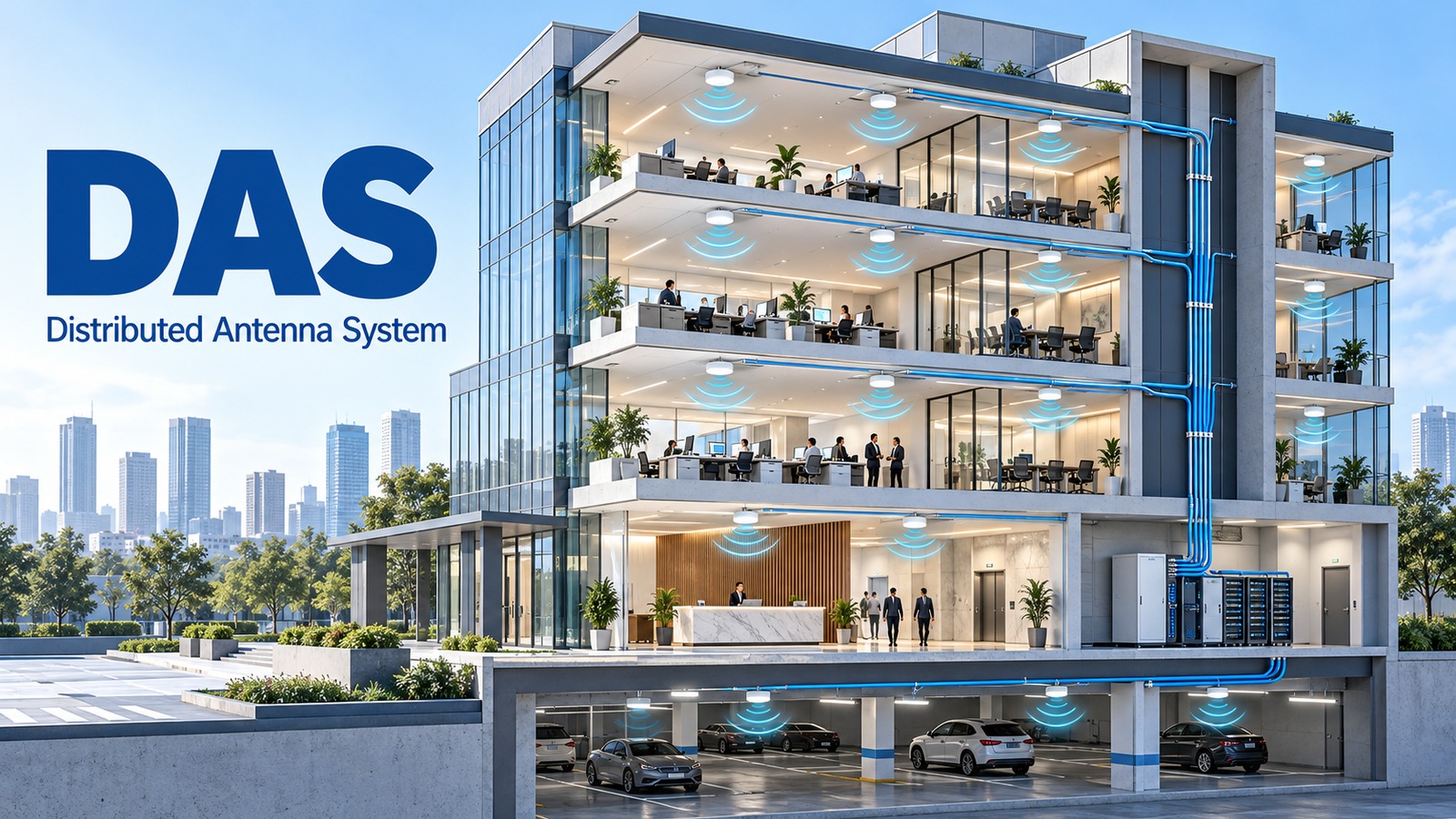
Guia prático de sistemas de antenas distribuídas para integradores de DAS, engenheiros de RF e equipes de projetos prediais: o que é um DAS, como a fonte de sinal, a rede de distribuição e as antenas trabalham juntas, diferenças entre DAS passivo, ativo e híbrido, requisitos de antenas para segurança pública, posicionamento, especificações, custos e suporte da BBT ANTENNAS a projetos OEM/ODM.

Um guia prático para integradores de sistemas e engenheiros de projeto selecionarem, avaliarem e adquirirem antenas para gateways LoRa e LoRaWAN em implantações IoT municipais e industriais, abordando frequência, planejamento do ganho, instalação, cabeamento e testes em campo.

Modern architecture is designed to be resilient and energy-efficient. However, the very materials that make up today’s commercial buildings, hospitals, and shopping malls—such as reinforced concrete, steel frames, and Low-E glass—act as formidable barriers to Radio Frequency (RF) signals. The result? Frustrating "dead zones," dropped calls, and sluggish data speeds that hinder business operations and degrade the user experience.
To overcome these physical barriers and ensure reliable connectivity, telecommunication engineers and system integrators rely on the In-Building Solution (IBS). This comprehensive guide explores how an IBS works, its core components, and why selecting high-quality DAS antennas is critical for future-proof indoor coverage. 5G DAS Antennas

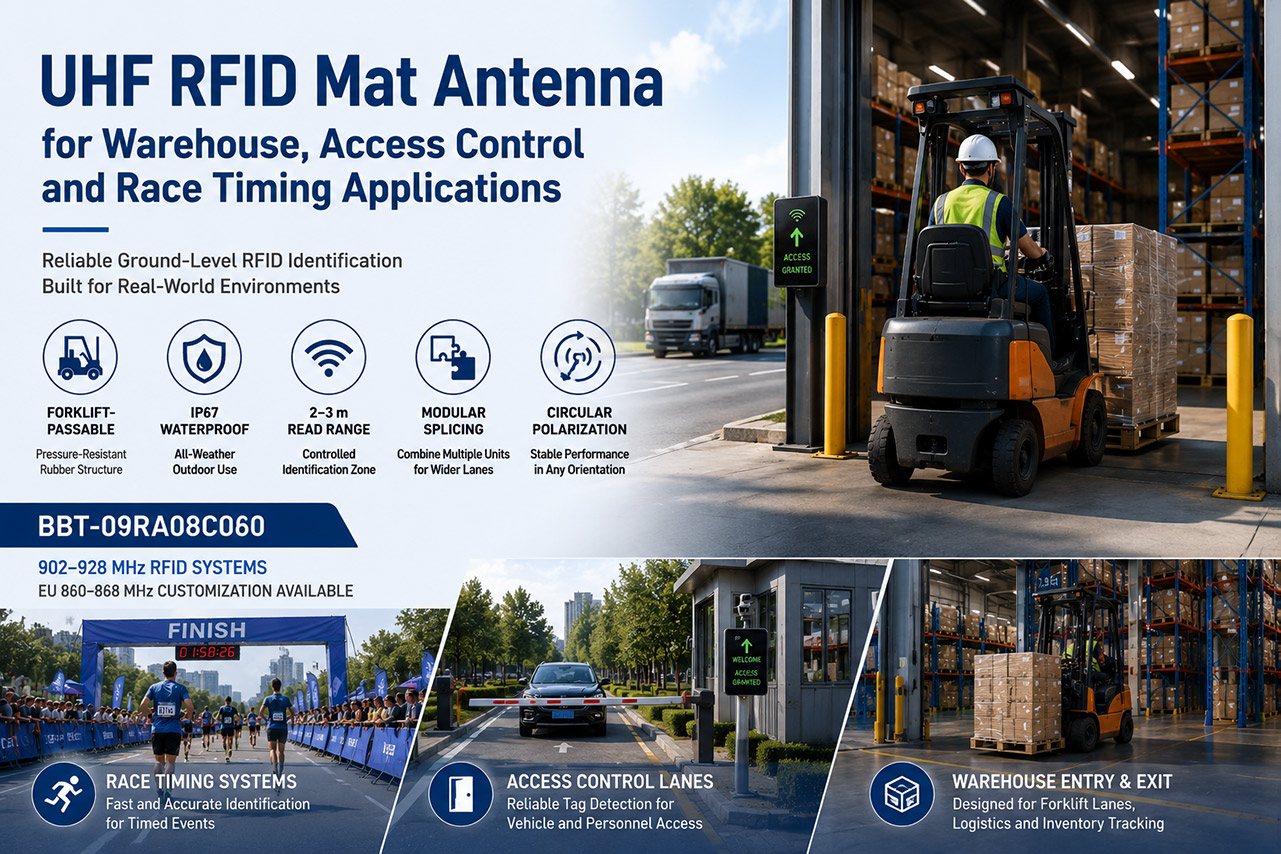
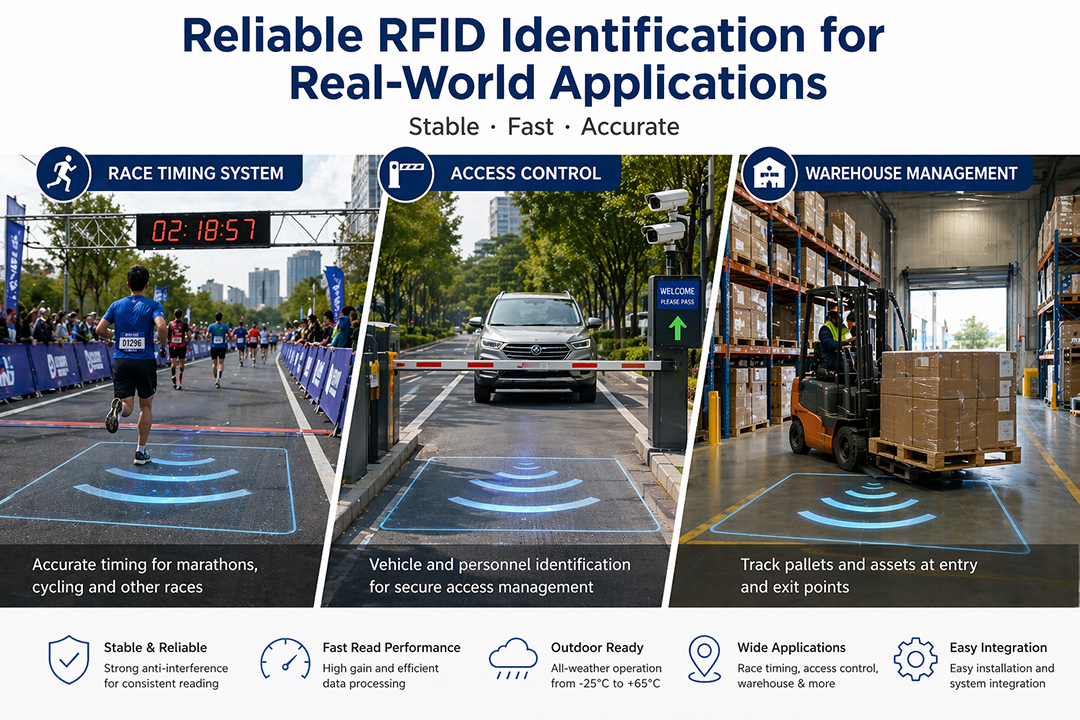
Explore the UHF RFID mat antenna for 902–928 MHz RFID systems. Designed with IP67 waterproof protection, forklift-passable rubber structure, 2–3 m read range, and EU 860–868 MHz customization.

Choosing the right RFID antenna is not only about frequency range. It is about matching polarization, gain, beamwidth, and mechanical design to the way tags move in real environments. The BBT-09RA10C075 brings these factors together in a practical antenna for race timing, passage control, and warehouse entry and exit management. UHF RFID Antennas

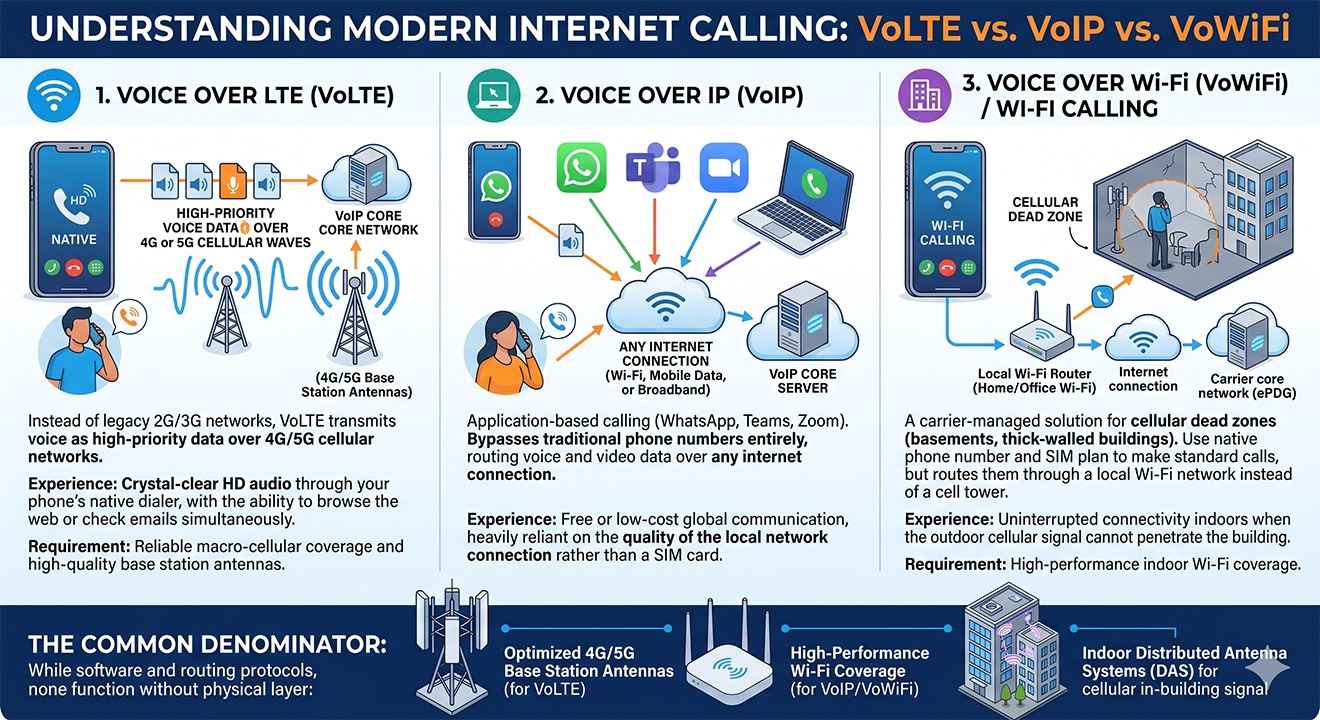
The way we make phone calls has fundamentally changed. Today, voice traffic is largely transmitted as digital data packets over various internet protocols. While terms like VoLTE, VoIP, and VoWiFi are often used interchangeably by consumers, they represent distinct technologies with different network requirements. DAS Antennas

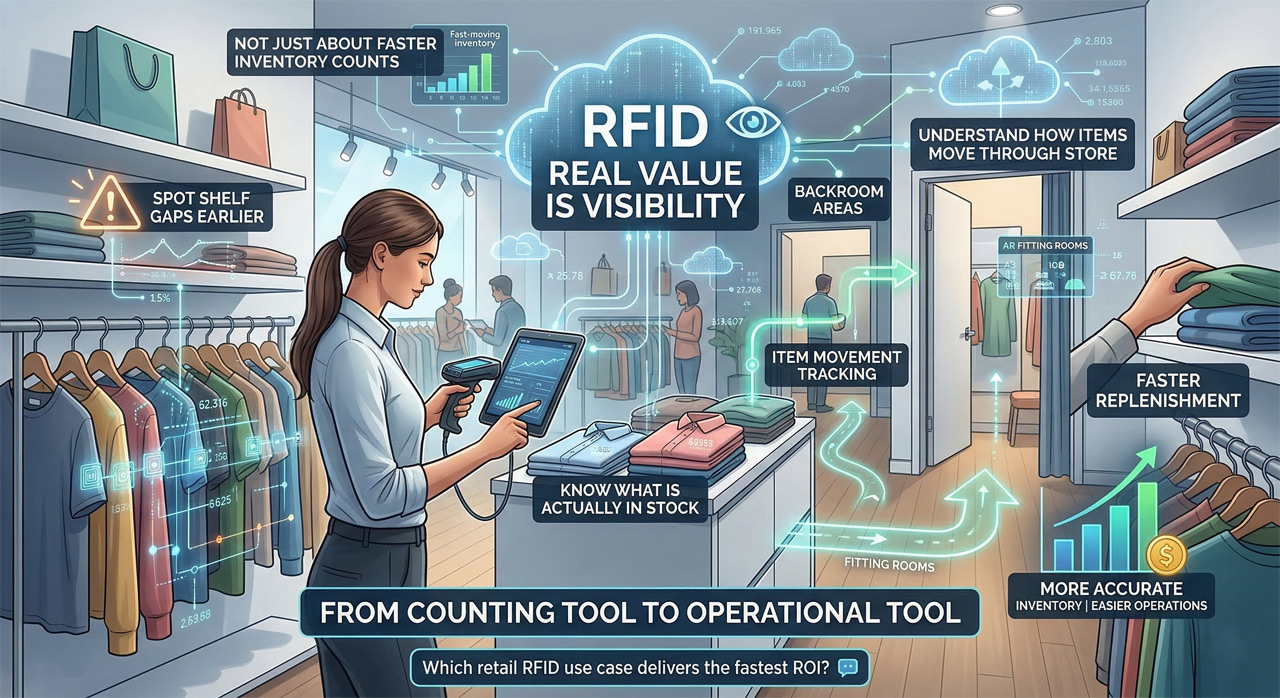
Discover how RFID is used in retail to improve inventory accuracy, shelf visibility, checkout efficiency, and store operations. Learn the main RFID applications in modern retail. RFID applications in retail

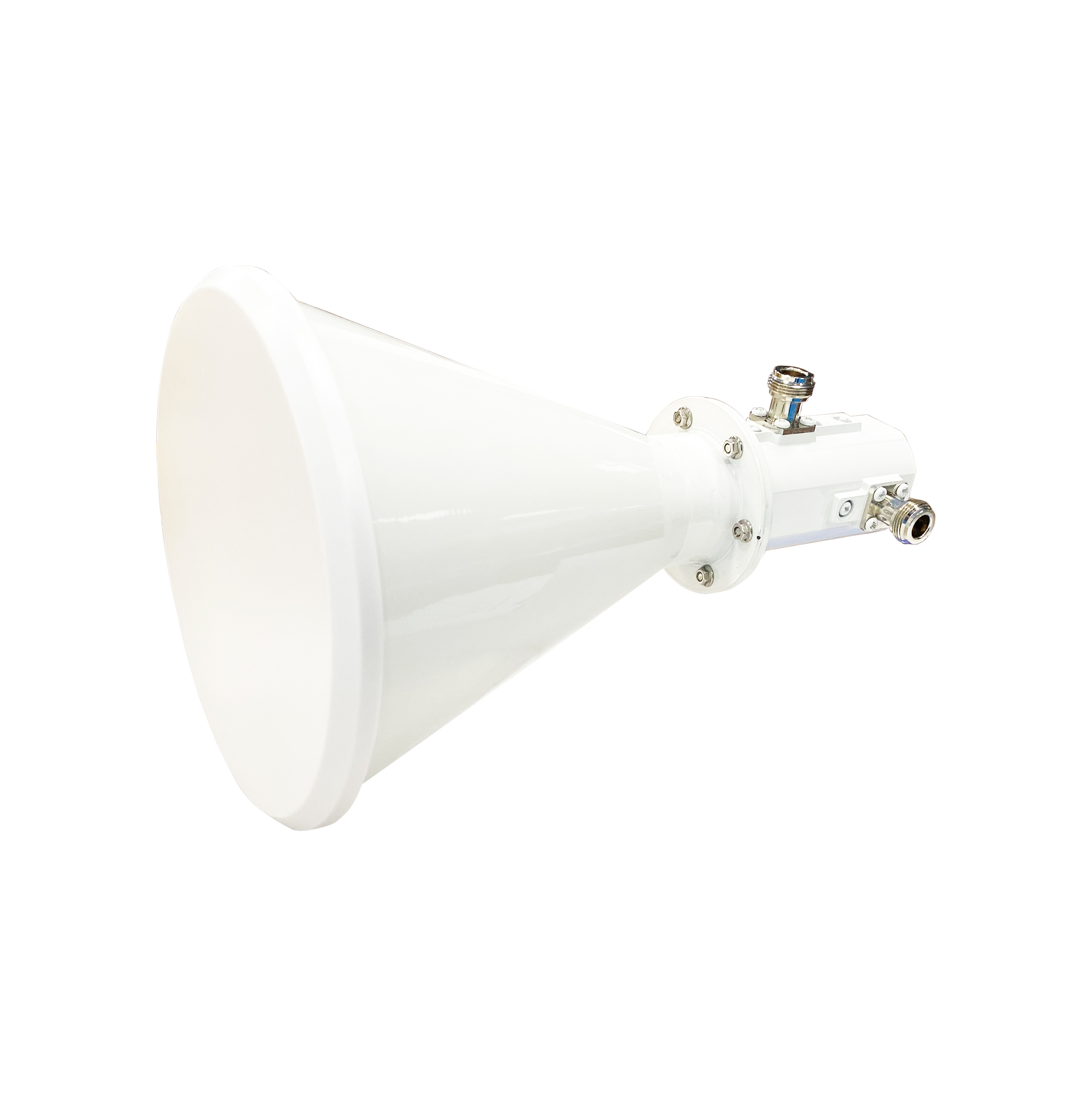
Expanda sua rede WISP: quando escolher antenas corneta de 20° ou 30°
À medida que os provedores de internet sem fio (WISPs) crescem, eles inevitavelmente encontram uma "barreira de densidade". Adicionar assinantes a uma única torre com painéis setoriais tradicionais de 90° ou 120° frequentemente provoca autointerferência e esgotamento do espectro. A solução está na densificação da rede com a tecnologia precisa de antenas corneta de ângulo estreito.
Mas como escolher a largura de feixe certa? Na maioria das implantações de alto desempenho com antenas ponto-multiponto, a escolha se resume a modelos de 20° ou 30°. Como fabricante profissional de antenas na China, a BBT Antennas explica as diferenças técnicas para ajudar você a otimizar sua implantação.

To maximize spectrum efficiency in 2026 and beyond, the shift to narrow beamwidths is inevitable. By integrating 20° and 30° broadband horns into your network, you ensure higher throughput, lower latency, and a path to future frequency expansions.